

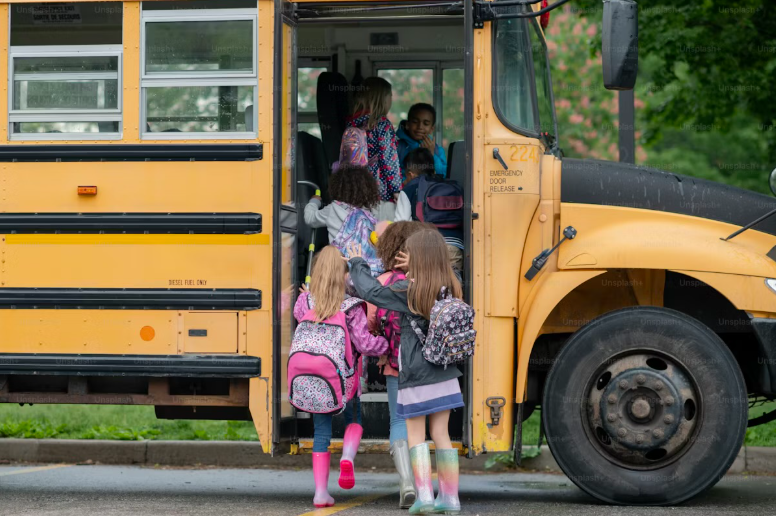
Ensuring the safety and security of students during daily travel is one of the most important responsibilities for any educational institution. School transportation systems must be reliable, organised, and carefully monitored to protect students while they travel between home and school. However, managing transportation safely can become challenging when there are multiple buses, drivers, and routes involved. Without proper systems in place, delays, communication gaps, and safety concerns may arise.
To maintain a secure transportation environment, schools need to adopt clear strategies and modern management tools. Here are several practical ways to make school transportation services safer and more secure.
1. Conduct Thorough Driver Screening And Training
Drivers play a crucial role in maintaining safe transportation. Schools should ensure that every driver undergoes proper background checks, license verification, and safety training before being assigned to transport students.
Regular training sessions should also be conducted to keep drivers updated on traffic regulations, defensive driving techniques, and emergency procedures. When drivers are well-trained and responsible, the overall safety of the transportation system improves significantly.
2. Implement Reliable School Transportation Software
Using modern school transportation software can greatly improve the safety and organisation of transportation systems. This software allows school administrators to manage routes, track buses through GPS, monitor driver activities, and keep accurate records of student transportation assignments.
With real-time tracking, school officials can quickly locate buses and respond to unexpected situations such as delays or route changes. The system also helps maintain better communication between drivers, school staff, and parents, which adds another layer of security to student transportation.
3. Install Safety Equipment In Buses
School buses should be equipped with essential safety tools to handle emergencies effectively. These may include seat belts, first aid kits, fire extinguishers, and clearly marked emergency exits.
In addition, installing surveillance cameras inside buses can help monitor student behaviour and provide additional protection for both students and drivers. Properly maintained safety equipment ensures that drivers and school authorities are prepared to respond to emergencies quickly.
4. Maintain Regular Vehicle Inspections
A well-maintained bus is essential for safe transportation. Schools should establish a regular inspection schedule to check engines, brakes, tyres, lights, and other important vehicle components.
Preventive maintenance can help detect potential mechanical problems before they become serious safety risks. Ensuring that buses remain in good condition reduces the chances of breakdowns or accidents during daily routes.
5. Strengthen Communication With Parents
Clear communication between schools and parents is another key factor in maintaining transportation safety. Schools should inform parents about bus routes, pickup points, schedules, and any transportation updates.
When parents are well-informed, they can ensure their children reach pickup locations safely and on time. Communication systems such as mobile alerts or email notifications can help parents stay aware of any delays or changes.
Bottom Line
Creating a safe and secure school transportation system requires careful planning, responsible staff, and the use of modern technology. By focusing on driver training, implementing software, maintaining vehicle safety, installing proper equipment, and strengthening communication with parents, schools can significantly improve the reliability and security of their transportation services. A well-organised transportation system not only protects students but also builds trust among parents and the school community, ensuring that students travel safely every day.