

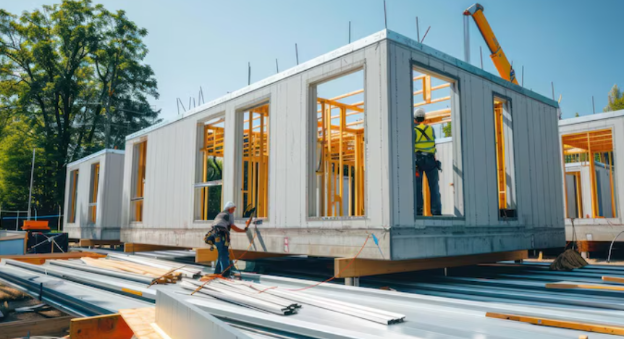
Affordable housing is becoming a growing concern in many parts of the world. Rising property prices, limited land availability, and high construction costs make it difficult for many people to own a home. One solution that has gained attention in recent years is the use of prefabricated homes. These homes offer an efficient, cost-effective, and flexible approach to housing that can help individuals and families achieve their affordable housing goals.
Understanding Prefabricated Homes
Prefabricated homes, often called prefab homes, are houses built in a factory or controlled environment and then transported to the building site. Unlike traditional homes, which are constructed entirely on-site, prefab homes are assembled using pre-made components. These components can include walls, floors, roof sections, and even plumbing and electrical systems. Once transported to the site, the pieces are put together quickly, reducing construction time significantly. This modern approach to homebuilding offers many advantages for people seeking affordable housing solutions.
Cost Efficiency of Prefabricated Homes
One of the primary reasons prefabricated homes are associated with affordable housing is their cost efficiency. Building a home using traditional methods involves many uncertainties, including material wastage, labor costs, and project delays. In contrast, prefab homes are manufactured in a controlled environment, which minimizes waste and allows for bulk purchasing of materials. Additionally, factory construction reduces the need for long on-site labor, which further lowers costs. For individuals looking to buy a home without exceeding their budget, prefabricated homes can be a practical option.
Faster Construction and Reduced Waiting Time
Time is another factor where prefabricated homes provide a significant advantage. Traditional home construction can take several months or even years, depending on the complexity and scale of the project. Prefab homes, however, can be completed much faster because much of the construction work is done in the factory. On-site assembly can be completed in weeks rather than months. This speed allows homeowners to move into their new homes sooner, making it easier to achieve housing goals without long delays or extended living arrangements.
Flexibility in Design and Location
Prefabricated homes offer flexibility in both design and location, which can help meet individual housing needs. Many prefab homes come in a variety of styles, sizes, and layouts, allowing homeowners to choose a design that fits their preferences and lifestyle. Furthermore, because these homes are built off-site, they can be installed in areas where traditional construction might be challenging, such as remote or difficult-to-access locations. This flexibility ensures that more people have access to quality housing, regardless of geographical constraints.
Environmental Benefits of Prefabricated Homes
Another advantage of prefabricated homes is their environmental friendliness. The controlled manufacturing process reduces material waste and energy consumption, making prefab homes more sustainable than conventional construction. Many prefabricated homes also incorporate energy-efficient features, such as better insulation and modern heating and cooling systems. For people seeking affordable housing, investing in a prefab home can also mean lower utility bills over time, adding to the overall affordability.
Durability and Quality Assurance
Despite being cost-effective, prefabricated homes are often built to high standards of quality and durability. Factory-built components undergo rigorous testing before being transported to the site, ensuring that the home meets safety and construction regulations. Many modern prefab homes are designed to withstand harsh weather conditions, making them a reliable choice for long-term living. For homeowners, this means that achieving affordable housing does not require compromising on quality or comfort.
Conclusion
Prefabricated homes provide a practical and efficient solution for achieving affordable housing goals. They combine cost savings, faster construction, flexible design options, environmental benefits, and high-quality standards, making them an attractive choice for individuals and families. As housing costs continue to rise, prefabricated homes can play an important role in helping people secure safe, comfortable, and affordable living spaces. By considering prefab homes, homeowners can turn their dream of owning a home into a reality without unnecessary financial strain.