

The trees on your property are more than just part of the scenery; they are long-term investments that provide shade, privacy, and ecological value. Maintaining these living landmarks requires a combination of basic knowledge and a proactive approach to seasonal care.
By paying close attention to the specific needs of your trees, you can prevent many common problems and ensure that your landscape remains a lush and vibrant sanctuary for decades to come.
1. Mastering the Art of Proper Hydration
One of the most frequent mistakes homeowners make is watering only the surface of the soil. For a tree to thrive, moisture must reach the deep root systems that extend far beyond the trunk.
Instead of frequent light sprinkles, it is far more effective to provide a slow, deep soak once a week during dry periods.
This method encourages the roots to grow downward into the soil, making the tree more resilient to drought and high winds. Focus your watering efforts at the drip line, which is the area directly under the outer circumference of the branches.
2. Boosting Structural Integrity Through Strategic Tree Trimming
To maintain a safe and beautiful canopy, regular maintenance is indispensable. Engaging in professional tree trimming allows you to remove crossing branches that might rub against each other and create wounds for pests to enter.
This process also involves thinning out dense areas to reduce wind resistance during storms, which can prevent major limb failure.
Proper trimming not only improves the light penetration to your lawn below but also directs the growth energy of the tree into its strongest limbs, resulting in a more balanced and durable structure.
3. Using Organic Mulch for Soil Temperature Regulation
A thick layer of organic mulch around the base of a tree acts as a protective blanket for the roots. It helps the soil retain moisture, suppresses competing weeds, and prevents damage from lawnmowers and weed whackers.
When applying mulch, use wood chips or bark and spread it out like a donut, ensuring the material does not touch the bark of the trunk itself.
As this organic matter decomposes, it gradually releases nutrients back into the earth, naturally enriching the soil environment without the need for harsh chemical interventions.
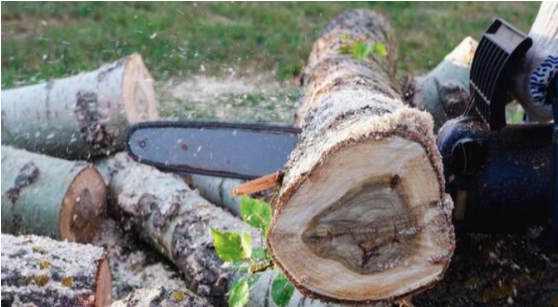
4. Protecting Property Safety with Responsible Tree Removal
Despite our best efforts at preservation, there are times when a tree becomes a significant hazard due to advanced decay or severe structural damage.
In these instances, a prompt and professional tree removal is the most responsible course of action to protect your home and your family. Identifying a hazardous tree early involves looking for signs like deep cracks in the trunk, fungal growth at the base, or a sudden lean.
By removing a dangerous specimen before it falls, you prevent accidental damage and clear the way for a healthy new sapling to take its place in your garden design.
5. Monitoring for Invasive Pests and Early Disease Signs
Trees are often the target of various boring insects and fungal blights that can quickly compromise their health. Make it a routine part of your yard work to inspect the leaves and bark for any unusual changes. Look for small holes in the trunk, sticky residue on the foliage, or premature leaf drop.
If you catch an infestation in its early stages, many trees can be successfully treated with systemic applications or biological controls. Staying vigilant ensures that a small problem does not turn into a terminal condition for your most prized landscape features.