

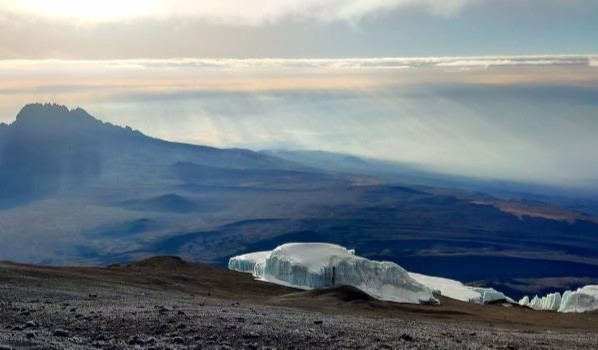
Standing before the challenge of a Kilimanjaro climb, you’re contemplating an achievement that fewer than 200,000 people have accomplished in recorded history. This towering volcanic giant, reaching 5,895 meters into the equatorial sky, offers a rare combination: a major summit requiring no technical climbing skills yet demanding every ounce of determination, preparation, and mental strength you possess. Mount Kilimanjaro has become synonymous with personal challenge and transformation, attracting adventurers from every continent who seek to prove something to themselves while experiencing one of nature’s most spectacular environments. Understanding what truly makes a Kilimanjaro climb successful—and what causes so many to fall short—empowers you to join the triumphant minority who reach Uhuru Peak.
Why Climbers Choose Kilimanjaro
Mount Kilimanjaro occupies a unique position in the world of adventure travel. As the highest peak in Africa and one of the Seven Summits, it carries prestige and recognition that resonates globally. Yet unlike other Seven Summits that require technical mountaineering expertise and extreme expense, Kilimanjaro welcomes anyone with adequate fitness, proper preparation, and determination to push through discomfort.
The mountain’s accessibility stems from its non-technical nature. No ropes, harnesses, ice axes, or specialized climbing equipment are necessary. Your feet carry you along established trails from rainforest to summit, with the primary obstacle being altitude rather than technical difficulty. This democratic quality means that a dedicated office worker, a determined retiree, or a motivated student can all stand atop the same peak that challenges experienced mountaineers.
The visual drama of Kilimanjaro creates an unforgettable backdrop for your adventure. As a free-standing mountain rising abruptly from surrounding plains rather than gradually emerging from a range, Kilimanjaro dominates the landscape with an imposing presence visible from over 160 kilometers on clear days. The contrast between tropical base and snow-capped summit defies expectations for equatorial geography, creating the surreal experience of traversing from Africa’s heat to Arctic conditions within days.
The time efficiency appeals to those balancing adventure aspirations with limited vacation time. While expeditions to Everest Base Camp require 12-16 days and major Himalayan peaks demand months, a Kilimanjaro climb requires just 5-9 days on the mountain plus travel time. This compressed timeline makes summit attempts feasible for professionals with standard vacation allowances.
The journey through ecological zones provides continuous education and visual interest. Beginning in lush montane forests where colobus monkeys leap between trees and exotic birds call from canopy, you progress through heath and moorland zones featuring giant groundsels and lobelias found nowhere else on Earth. Higher still, the landscape transforms into stark alpine desert before reaching the glaciated summit zone. This biological progression maintains engagement throughout the climb while teaching valuable lessons about altitude’s effects on life.
Training Methodology for Success
A successful Kilimanjaro climb begins with structured training that develops the specific physical and mental qualities the mountain demands. Generic fitness provides an inadequate foundation—you need capabilities tailored to sustained multi-day exertion at progressively higher altitudes.
Cardiovascular conditioning forms the cornerstone of your preparation. Your heart and lungs must deliver oxygen efficiently to working muscles despite decreasing atmospheric oxygen at altitude. Begin four to six months before departure with three to four weekly aerobic sessions including running, cycling, swimming, or stair climbing. Start conservatively with 30-45 minute sessions at conversational intensity, progressively extending to 90-120 minutes over subsequent months. The key is developing sustainable endurance rather than sprint capacity.
Hiking-specific training provides the most relevant preparation available. Weekly long hikes carrying weighted packs replicate your climb’s demands while revealing equipment issues and physical limitations before they become critical problems. Begin with 2-3 hour hikes carrying 8 kilograms, systematically increasing to 6-8 hour hikes with 15 kilograms. Seek terrain featuring sustained ascents testing cardiovascular capacity and steep descents stressing knees and quadriceps. These extended hikes also develop mental familiarity with sustained discomfort and physical fatigue.
Strength training prevents fatigue-related injuries and maintains efficient movement patterns despite accumulated tiredness. Focus on functional leg exercises including squats, lunges, step-ups, and single-leg deadlifts, performing moderate weight for higher repetitions (15-20) to build endurance rather than maximum strength. Core strengthening through planks, mountain climbers, and rotational movements stabilizes your torso while carrying packs. Back development via rows, lat pulldowns, and farmer’s carries supports proper posture under load.
Descent training receives insufficient attention from many climbers who focus exclusively on ascending capacity. The steep, loose descent from summit camp to lower elevations imposes tremendous stress on knees, quadriceps, and ankles. Include downhill hiking in your training, preferably on trails with loose gravel or scree simulating Kilimanjaro’s descent conditions. Eccentric leg exercises like slow-descent squats and step-downs prepare muscles for controlled downhill movement.
Mental conditioning proves as critical as physical preparation. Summit night combines extreme cold, severe altitude effects, darkness, and sustained exertion into a psychological crucible that breaks many physically capable climbers. Develop mental resilience through deliberate discomfort exposure—cold showers, early morning workouts, pushing through fatigue during training. Practice visualization exercises where you mentally rehearse summit night, building familiarity with anticipated challenges and crafting positive self-talk strategies that will sustain you when quitting feels easier than continuing.
Altitude Physiology and Adaptation
Understanding how altitude affects your body and implementing strategies supporting adaptation separates summit success from premature descent. Altitude represents the Kilimanjaro climb’s defining challenge, with approximately 75% of failed attempts resulting from altitude-related issues.
Atmospheric pressure decreases with elevation, reducing the partial pressure of oxygen and consequently the amount entering your bloodstream with each breath. At Kilimanjaro’s summit, barometric pressure is roughly half sea-level values, meaning each breath delivers only 49% of the oxygen molecules available at sea level. Your body must work substantially harder to maintain basic function, with implications for every physiological system.
Acclimatization responses occur across multiple timeframes. Immediate responses include increased breathing rate capturing more oxygen per minute and elevated heart rate circulating blood faster. Within hours, your kidneys adjust blood chemistry increasing respiratory drive. Over 24-48 hours, your body begins producing additional red blood cells enhancing oxygen transport capacity. Full acclimatization to a new altitude band takes days, explaining why longer routes with gradual ascent patterns dramatically outperform rapid ascent routes despite identical total elevation gain.
The “climb high, sleep low” principle maximizes acclimatization effectiveness by exposing you to higher altitudes during daily treks while sleeping at lower elevations where recovery occurs more efficiently. Your body adapts most effectively during sleep at lower altitude, making overnight elevation more critical than maximum daily altitude reached. Routes implementing this principle through intelligent itinerary design consistently achieve higher success rates than those gaining elevation rapidly.
Acute Mountain Sickness (AMS) develops when your ascent rate exceeds your body’s adaptive capacity. Mild symptoms including headache, nausea, fatigue, and dizziness affect most climbers and typically resolve with rest, hydration, and continued gradual ascent. However, ignoring worsening symptoms risks progression to High Altitude Pulmonary Edema (fluid in lungs) or High Altitude Cerebral Edema (brain swelling), both potentially fatal without immediate descent.
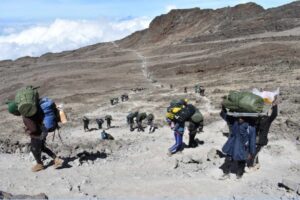
Individual variation in acclimatization rates creates unpredictability that makes altitude the great equalizer on Kilimanjaro. The fittest climber in your group may struggle with severe altitude sickness while less conditioned climbers breeze through. Genetics, prior altitude exposure, and individual physiology all influence adaptation, with no reliable predictors of who will acclimatize well. This variability underscores the importance of choosing routes with optimal acclimatization profiles and maintaining honest communication about symptoms.
Hydration profoundly impacts altitude tolerance and overall performance. Increased breathing rate, dry mountain air, and altitude-induced urination create substantial fluid loss requiring conscious replacement. Force yourself to drink 4-5 liters daily regardless of thirst signals, which become unreliable at altitude. Proper hydration improves blood oxygen transport capacity, reduces altitude sickness severity, and maintains physical and cognitive performance.
Selecting the Right Route
Your route selection profoundly influences every aspect of your Kilimanjaro climb experience. Understanding each route’s characteristics enables informed decision-making aligned with your priorities, timeline, and risk tolerance.
The Northern Circuit offers the highest success probability of any route, regularly exceeding 95% through optimal eight to nine-day acclimatization. The complete circumnavigation showcases Kilimanjaro from every angle, revealing landscape diversity and perspectives unavailable on other routes. Lower traffic throughout most of the journey provides a wilderness atmosphere increasingly rare on Kilimanjaro. Premium pricing reflects extended duration and superior outcomes, but for climbers prioritizing summit success above all else, the investment proves worthwhile.
The Lemosho Route provides exceptional scenery through remote western approach before merging with Machame for summit. The seven to eight-day itinerary begins at lower elevation than most routes, allowing more gradual adaptation that yields 90%+ success rates. Scenic highlights include traversing the Shira Plateau and approaching from the less-traveled western flank. Higher costs compared to Machame reflect longer approach and extended duration, but dramatically improved success probability and reduced crowds justify the difference for many climbers.
The Machame Route balances good acclimatization design, spectacular scenery, and reasonable cost. The six to seven-day profile implements effective elevation gain and loss patterns stimulating adaptation. Success rates of 80-85% reflect intelligent route design, though popularity creates crowded trails and campsites. Consider Machame if budget constraints preclude Lemosho or Northern Circuit but you want better success probability than Marangu offers.
The Rongai Route approaches from the north, offering gentler gradients and drier conditions. Six to seven-day timelines produce 75-80% success rates—respectable though not matching longer western routes. Scenery is less dramatic, but lower traffic and authentic remoteness appeal to wilderness-oriented climbers. Consider Rongai if you have knee concerns making steep descents problematic, if climbing during wetter months when southern routes receive more precipitation, or if you value solitude over spectacular scenery.
The Marangu Route’s hut accommodations appeal to those uncomfortable with camping, but this comfort comes at significant cost. The standard five-day itinerary gains altitude too rapidly for most physiology, contributing to success rates barely reaching 60%. Heavy traffic and using the same trail up and down reduce scenic variety. Only consider Marangu if camping is truly unacceptable, and insist on the six-day itinerary with acclimatization day, which improves outcomes substantially.
The Umbwe Route caters exclusively to experienced high-altitude climbers seeking maximum challenge. The steep, direct five to six-day ascent tests fitness and altitude tolerance through rapid elevation gain. Success rates around 60% reflect the demanding profile. Consider Umbwe only if you have substantial prior high-altitude experience demonstrating rapid acclimatization capacity and excellent fitness.
Essential Equipment Investment
Quality equipment transforms your Kilimanjaro climb from a miserable ordeal into a challenging but manageable adventure. The mountain’s extreme temperature range and varied terrain demand versatile, reliable gear that performs across conditions from tropical heat to arctic cold.
Layering systems provide the versatility needed for 50-degree temperature swings. Base layers in merino wool or synthetics wick moisture while providing insulation. Bring multiple options allowing rotation—laundry isn’t available. Mid-layers including lightweight fleece for active warmth, heavyweight fleece for camp warmth, and down or synthetic insulated jacket for extreme cold provide options for every condition. Outer shells in waterproof-windproof materials protect against rain, snow, and wind while allowing moisture vapor escape. This three-layer system adapts to any condition through addition or removal of layers.
Footwear represents your most critical equipment investment. Waterproof hiking boots with full ankle support, substantial insulation, and aggressive tread must fit perfectly with your planned sock system. Break them in thoroughly through at least 100 kilometers of hiking—blisters end more climbs than altitude sickness. Bring multiple sock pairs combining thin liner socks reducing friction with thicker hiking socks providing cushioning and insulation. Gaiters prevent scree, snow, and debris from entering boots during summit night’s loose terrain.
Sleeping systems must handle temperatures dropping to -20°C or colder at high camps. Four-season sleeping bags rated to at least -15°C ensure comfortable sleep, with -20°C ratings providing additional security. Sleeping bag liners add warmth while keeping your bag clean. Crucially, insulated sleeping pads prevent ground heat loss—even excellent sleeping bags cannot overcome cold ground stealing warmth through conduction.
Hand protection requires layering approach: lightweight gloves for active movement, insulated gloves for camps, and waterproof shell mittens for summit night. Layering thin gloves under insulated gloves under shell mittens provides maximum warmth and versatility. Bring backup gloves—losing gloves during summit night creates dangerous situations.
Head protection includes warm hat or balaclava for extreme cold, sun hat for lower elevations, and neck gaiter or buff providing versatility. Your head loses substantial heat when unprotected—proper head covering is essential for summit night’s extreme cold.
Additional essentials include trekking poles dramatically reducing knee impact during descents, headlamp with spare batteries for summit night, glacier glasses with UV protection and side shields, SPF 50+ sunscreen, lip balm with SPF, insulated water bottles holding at least three liters, high-energy snacks, personal first aid supplies, and camera equipment. Most operators provide tents, sleeping mats, and dining equipment.
Nutrition Strategy for Performance
Proper nutrition and hydration significantly impact your Kilimanjaro climb performance, altitude adaptation, and overall wellbeing. The combination of intense exertion, altitude effects, and potential appetite suppression requires strategic nutritional management.
Daily energy requirements increase substantially during climbing, often reaching 4,000-6,000 calories during summit day. Your operator provides three meals daily, but supplemental snacking proves essential for maintaining energy and blood sugar stability. Pack 2-3 kilograms of personal snacks you genuinely enjoy eating even when fatigued or nauseous—personal preference matters more than theoretical nutritional perfection.
Carbohydrate emphasis provides efficient fuel at altitude where fat metabolism becomes less effective. Prioritize complex carbohydrates including oatmeal, rice, pasta, and potatoes providing sustained energy. Simple sugars in candy, energy gels, or dried fruit offer rapid boosts during demanding sections. Balance prevents both energy crashes from pure sugar and digestive discomfort from excessive complex carbs.
Protein supports muscle recovery and immune function throughout sustained exertion. While altitude often reduces protein appetite, consciously include sources like meat, fish, nuts, or protein bars to maintain strength despite catabolic stress.
Hydration equals or exceeds food in importance. Altitude dramatically increases fluid requirements through elevated breathing rate, dry air, and increased urination from acclimatization responses. Force yourself to drink 4-5 liters daily regardless of thirst, which becomes unreliable at altitude. Monitor urine color—clear to light yellow indicates adequate hydration, while dark yellow or amber signals dangerous deficiency.
Electrolyte supplementation prevents imbalances from sustained exertion and high fluid intake. Electrolyte tablets, powders, or sports drinks maintain sodium, potassium, and magnesium levels supporting muscle and nerve function.
Appetite suppression commonly occurs at altitude, making favorite foods crucial for maintaining intake. Bring snacks you love rather than theoretically optimal but unappetizing options. Small, frequent eating works better than large meals when nausea threatens.
Conclusion
A Kilimanjaro climb stands as one of life’s defining challenges, offering the perfect intersection of accessibility and genuine difficulty that makes success feel profoundly earned. The mountain welcomes determined individuals regardless of technical climbing background while still testing physical capacity, mental resilience, and adaptability in ways that reveal character and build confidence. Understanding that intelligent preparation, strategic route selection, and altitude management matter more than raw fitness or bravado empowers you to approach the challenge strategically rather than hoping determination alone overcomes physiological limitations.
The transformation extends beyond physical achievement. The journey through five ecological zones compresses extraordinary environmental education into a compressed timeline, while multi-day sustained effort at extreme altitude provides unusual clarity about personal capabilities and limitations. Summit night’s predawn hours, when extreme cold, severe altitude effects, and exhaustion converge to test resolve, forge confidence and self-knowledge applicable throughout life. Whether you stand atop Uhuru Peak celebrating triumph or turn back having given maximum effort, you return changed—more aware of your strength, more appreciative of natural forces, and more confident facing future challenges. For those ready to invest comprehensive preparation and embrace authentic difficulty, a Kilimanjaro climb delivers transformative experiences that justify every challenging step and uncomfortable night.
Key Takeaways
- Route length directly determines success: eight to nine-day routes achieve 90-95% summit rates versus 60-65% for five-day routes through superior acclimatization.
- Start structured training four to six months before departure, emphasizing cardiovascular endurance, weighted hiking, leg strength, and mental conditioning for extreme conditions.
- Altitude management through gradual ascent, “climb high sleep low” patterns, and 4-5 liters daily hydration matters more than fitness for summit success.
- Quality three-layer clothing systems, four-season sleeping bags rated to -20°C, and properly broken-in waterproof boots are essential for 50-degree temperature variations.
- Operator selection prioritizing safety credentials, KPAP ethical certification, experienced guides, and comprehensive packages outweighs price considerations for success.
- Summit night demands mental strategies for managing extreme cold (-20°C or colder), altitude effects, darkness, and extraordinarily slow pressure-breathing pace.
- Total budget of 4,500-8,000 USD includes flights, packages, mandatory insurance, tips (250-400 USD), equipment, visas, and contingencies for realistic planning.
- Mandatory travel insurance must explicitly cover high-altitude trekking to 6,000 meters and emergency evacuation potentially exceeding 10,000 USD.
- Optimal seasons are late June-October for warmest, most stable weather (but crowded) and late December-February for cold, clear conditions with moderate traffic.
- Individual acclimatization variation means fitness doesn’t predict altitude tolerance—genetic factors and physiology matter more than conditioning for adaptation rates.
Frequently Asked Questions
What percentage of Kilimanjaro climbers actually reach the summit?
Overall success rates average approximately 65%, but this masks dramatic variation by route and duration. Five-day Marangu climbs achieve roughly 60% success, six to seven-day Machame reaches 80-85%, seven to eight-day Lemosho exceeds 90%, and eight to nine-day Northern Circuit surpasses 95%. The primary factor is acclimatization time—longer routes allowing gradual altitude adaptation dramatically outperform rapid ascent routes. Your route choice matters more than fitness for determining summit probability.
How dangerous is a Kilimanjaro climb?
Kilimanjaro presents serious altitude-related risks but isn’t inherently dangerous when approached properly through reputable operators. Primary risks include altitude sickness (potentially fatal if severe symptoms are ignored and climber doesn’t descend), cold-related injuries during summit night, and accidents from fatigue-impaired judgment. Annual fatality rates are approximately 10 deaths per 30,000 climbers—low compared to technical peaks but not zero. Most deaths involve pre-existing conditions, ignored altitude symptoms, or inadequate operator safety standards. Proper preparation, honest symptom reporting, and reputable operator selection mitigate risks substantially.
Can I climb Kilimanjaro if I’ve never been to high altitude before?
Yes, most successful Kilimanjaro climbers have no prior high-altitude experience. The mountain serves as many people’s introduction to altitude challenges. However, lack of experience makes route selection more critical—choose seven to nine-day routes providing optimal acclimatization time rather than shorter routes requiring rapid adaptation. Your body can acclimatize effectively if given adequate time, regardless of prior altitude exposure. First-timers should avoid rapid ascent routes and prioritize proper preparation over cost savings.
What’s the hardest part of a Kilimanjaro climb?
Summit night represents the physical and psychological pinnacle of difficulty. Beginning around midnight, you’ll ascend approximately 1,200 vertical meters over 5-7 hours in -20°C or colder temperatures with roughly half sea-level oxygen availability. The combination of extreme altitude, bitter cold, darkness, severe fatigue, and often nausea or severe headaches tests willpower more than any other section. The extraordinarily slow “pressure breathing” pace (one step per breath) requires discipline to maintain. Approximately 35% of climbers reaching high camp don’t summit, primarily due to summit night’s demands rather than earlier climb sections.
Should I climb during dry season or risk cheaper wet season pricing?
Strongly prioritize dry seasons (late June-October or late December-February) over wet season cost savings. The long rains (March-May) create miserable conditions with constant precipitation, muddy trails, wet equipment, and obscured views. Success rates drop significantly as deteriorating conditions discourage summit attempts. The modest savings (typically 10-20%) rarely justify compromised experience and reduced summit probability. If schedule flexibility is limited, the short rains (November) offer reasonable compromise with lighter precipitation and fewer crowds than peak dry seasons.
How fit do I need to be for a Kilimanjaro climb?
You need good cardiovascular endurance and leg strength but not elite athlete conditioning. The ability to hike 6-8 hours daily for multiple consecutive days while carrying a light pack (5-8 kg) is essential. Most people maintaining regular exercise who train specifically for 4-6 months can achieve necessary fitness. Prior hiking experience helps but isn’t mandatory—dedicated training compensates for limited background. Age matters less than fitness—successful climbers range from teenagers to septuagenarians. Focus on building sustainable endurance rather than sprint capacity.
What happens if I need to descend due to altitude sickness?
If altitude symptoms become severe or worsen despite rest, immediate descent is medically necessary and non-negotiable. Your guide will arrange escort by assistant guide or porter, typically descending 500-1,000 vertical meters until symptoms improve dramatically—often within hours. Most altitude symptoms resolve quickly with descent. Costs are included in your package—no additional charges for early descent. Don’t risk your health attempting to summit with severe symptoms. Many climbers successfully return for future attempts after initial altitude issues force retreat.
Can I charge my electronics on the mountain?
No electrical outlets exist at Kilimanjaro camps. Bring fully charged devices plus high-capacity backup battery packs (20,000+ mAh) or solar chargers for extending device life. Some operators offer generator-based charging services for small fees at certain camps—inquire beforehand. Cold temperatures drastically reduce battery performance, so store devices in sleeping bags when not in use to maintain warmth. Prioritize essential devices (headlamp, camera) over convenience items to minimize charging requirements.
Is it worth paying more for a private climb versus joining a group?
Private climbs provide maximum flexibility, personalized attention, customized pacing, and ability to modify itinerary based on your needs. However, they cost 30-50% more than joining established groups due to fixed costs distributed across fewer clients. Group climbs offer cost efficiency and social dynamics—shared experience with like-minded adventurers enhances the journey for many people. Consider private climbs if you have specific pace requirements, prefer solitude, or need schedule flexibility. Groups work well for budget-conscious climbers comfortable with social climbing dynamics.
What are the odds I’ll get altitude sickness?
Approximately 75% of Kilimanjaro climbers experience some altitude sickness symptoms—mild headache, nausea, or fatigue. However, most cases are mild and manageable through rest, hydration, and continued gradual ascent. Severe altitude sickness requiring descent affects roughly 10-15% of climbers, primarily on rapid ascent routes. Your risk depends heavily on route selection (longer routes dramatically reduce risk), hydration compliance, genetic factors, and prior altitude exposure. Longer routes, proper hydration, gradual ascent, and honest symptom communication minimize risk. Diamox medication can reduce symptoms for those who tolerate it.