

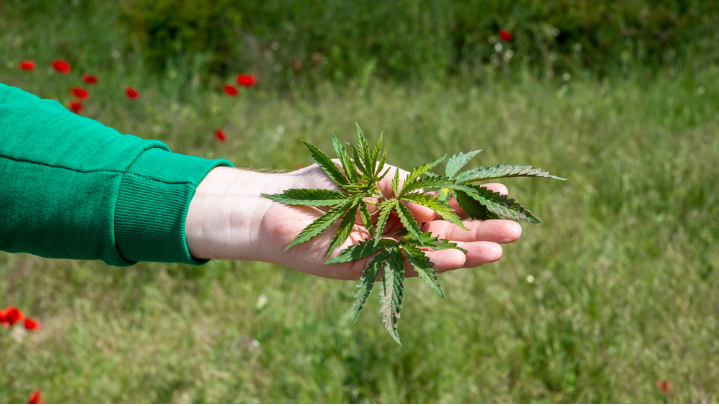
Medical cannabis has been available in Utah since 2020. At last count, there were more than 150,000 patients with active medical cannabis cards. However, a recent op-ed piece published by the Deseret News suggests the medical market is in jeopardy.
Keep Utah Medical director Alex Lorg maintains that the illicit market is having a significant impact on medical cannabis in Utah. He insists lawmakers need to make systemic changes or they risk allowing illicit operators the opportunity to take over.
Patients Using Unregulated Cannabis
At the heart of Lorg’s argument is a peer-reviewed study conducted by Utah’s medical cannabis program. The study shows that patients are not afraid to let their medical cards expire because they can turn to the black market instead.
Lorg maintains that as many as one-third of the patients who have enrolled in the state’s medical cannabis program since 2020 are no longer active. Instead, they buy unregulated cannabis. I am not sure where that number comes from, but the study definitely confirms that some patients are avoiding perceived barriers to the regulated market by turning to the unregulated market instead.
4 Key Barriers
The next obvious question is this: what is driving the illicit market in the Beehive State? The previously mentioned study sites four of them. As we go through them, bear in mind that Utah is a medical-only state. Recreational cannabis is not allowed.
Barrier #1: Cost
Cost being the number one barrier is no surprise. Medical cannabis is expensive everywhere. The prohibitive costs are a combination of state taxation, state regulation, federal regulation, and the costs of running a cannabis business in Utah.
According to the study, nearly 80% of the patients who reported using illicit cannabis cited high costs as their primary motivation. It is cheaper to buy illicit cannabis.
Barrier #2: Access
Access is the next barrier cited in the study. I will admit that I am skeptical about this one. Access is only an issue in Utah’s rural areas. But within the state’s urban hubs, there is an ample supply of medical cannabis pharmacies. They include two Beehive Farmacy locations, in Brigham City and Salt Lake City.
Access issues listed in the report include long drives and frequent renewals. Drive times are legitimate for rural patients, but home delivery is available. As for renewals, medical cannabis cards only need to be renewed annually.
Barrier #3: Renewal Confusion
I also have trouble believing the third supposed barrier: confusion with the renewal process. Apparently, patients who don’t understand how to renew are fifty-nine times more likely to turn to the illicit market instead. It’s a mystery to me. Why?
Utah renewal process is nearly identical to the process for applying for an initial card. The only real change – and it makes life easier on patients – is not having to see a medical provider in person. The law allows for telemedicine visits. My question is this: if a patient successfully navigated the process the first time, why is renewal so complicated?
Barrier #4: Stigma
Finally, the report suggests that some patients choose unregulated medical cannabis because they don’t want to face the stigma of going through the medical market. This one I get. It is easier and more comfortable to buy cannabis on the black market and keep it secret. But I’m guessing those who cite this reason have never had medical cannabis cards to begin with.
The study is a mixed bag. I’m not sure whether I am sold on its accuracy. I’m also not convinced that Utah’s medical cannabis market is in danger of being overwhelmed by its illicit counterpart.